by Blanka Paluchowska
A few weeks ago, our study group and our professor swapped the classroom for a Japanese restaurant. Instead of talking about participant observation, we actually went out and tried it ourselves. Our plan was to have lunch at a Japanese restaurant. The task was to observe the food, the atmosphere, the staff, the customers, and all the little things happening around us. At first, I was not really sure what I should focus on. A few minutes later I realized I had spent more time watching the open kitchen than my own plate. The first thing I noticed was how efficiently everything seemed to work. The restaurant filled up almost immediately after opening, but nobody looked stressed. Everyone seemed to know exactly what they were supposed to do. Some people stayed in the kitchen, others served food, cleaned tables or took orders. Whenever the staff talked to customers, they laughed, joked and looked completely at ease.
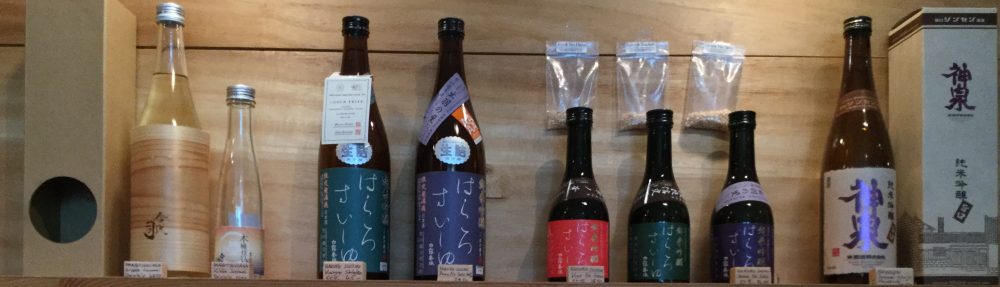
What surprised me even more was the atmosphere itself. Before going there, I expected something that felt much more traditionally Japanese. Instead, it reminded me of the FU Japanese Mensa – simple and practical with only a few Japanese decorative elements, like daruma dolls. The food was fresh, reasonably priced, and somehow the unlimited green tea made the whole meal even better. That visit stayed with me longer than I expected. A few days later, I convinced one of my high school friends to join me for what we jokingly called our “little Japanese afternoon,” which sounded much nicer than saying I still had fieldwork to do. We started at a Japanese bakery, mostly because we both wanted matcha. At first the place did not feel particularly Japanese, but the longer we stayed, the more details we noticed, like books, figurines, kakemono, and other small decorations that quietly shaped the atmosphere. Without them, it could easily have been just another modern café. I was also surprised by how bright and spacious it was, with large windows and plenty of plants. One of the staff members happily answered a few of my questions and mentioned that they also provide catering.

Copyright © Blanka Paluchowska 2026
Next was a Japanese restaurant, which ended up being my favorite stop that day. From the moment we walked in, the atmosphere felt very warm. We were welcomed by a waitress and seated at the counter, which turned out to be the perfect place to observe the open kitchen. While waiting for our food, I caught myself watching the chefs instead of checking my phone. The food arrived surprisingly quickly, despite the restaurant being busy, and the staff seemed completely focused on their work. The noren curtain, wooden sign in Japanese and simple, slightly rustic interior reminded both of us of the tiny streets in Tokyo that we had seen in photos and travel videos. We also made the classic mistake of ordering far too much food. My gyūdon portion was much bigger than I expected, but somehow that just made the whole experience even more memorable. This visit made me realize that a restaurant does not need expensive interiors to feel authentic.

Copyright © Blanka Paluchowska 2026
Not everything went according to our initial plan. We tried to visit another restaurant without a reservation. So our fieldwork there lasted about two minutes. Still, those two minutes were enough to notice how different the place felt. It was surprisingly difficult to find, with only a small sign outside and no queue or outdoor seating. Inside, the lighting was warm, the atmosphere was quiet, and even the way the staff greeted guests felt much more formal. Before leaving, I managed to ask about the menu and found out that they actually specialize in Japanese-Peruvian cuisine, which definitely wasn’t something I expected.

Copyright © Blanka Paluchowska 2026
The biggest surprise for me was another Japanese café. I realized it was much more than a café. Besides matcha and desserts, they organize language classes, cooking workshops and other cultural events, and there is even a separate room where these activities take place. Completely by accident, I also ran into a Japanese friend there, who owns another café on the street. He told me he comes there quite often because of the atmosphere and friendly staff. Somehow, hearing that from someone who actually knew the place felt more meaningful than reading any online review.
When I got home and looked through my notes, I noticed something strange. I had pages about people, interiors, conversations, and atmosphere, but hardly anything about the food itself. Each place presented Japan differently. One relied on subtle details; another made the cooking process part of the experience; another created a sense of exclusivity; and the last place I visited built a small community around Japanese culture. I suppose that is exactly what participant observation was supposed to teach us.
Blanka Paluchowska is a student in the MA program Global East Asia at the Freie Universität Berlin.