by Cornelia Reiher
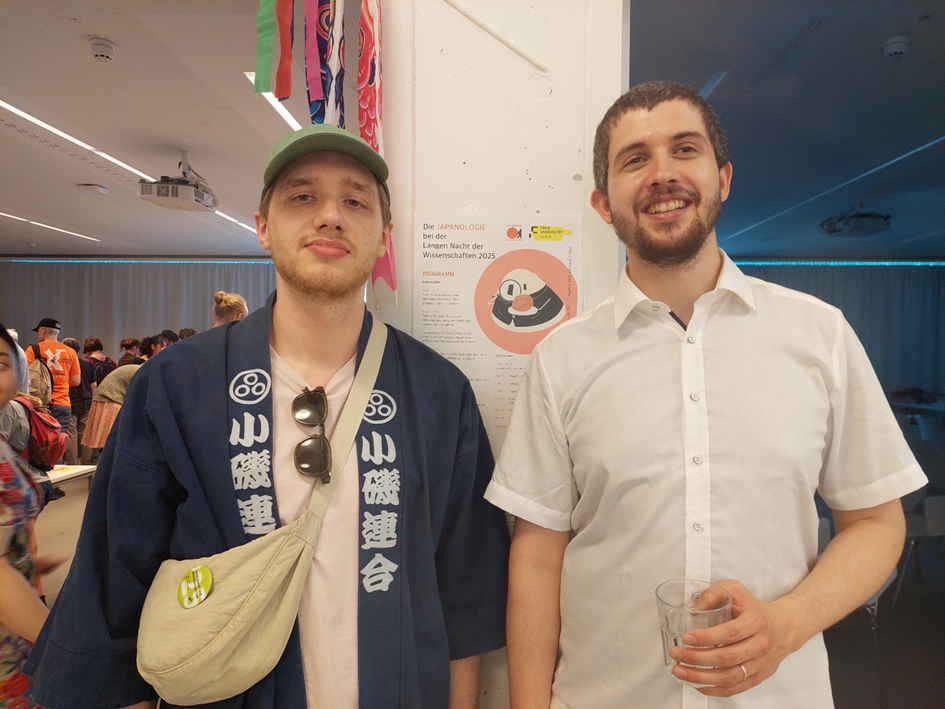
On June 28, the annual Long Night of Science once again opened its doors to the public—and this year, the Japanese Studies Institute, supported by 25 enthusiastic student volunteers, made a lasting impression. Across two rooms, we presented a lively and engaging program that offered something for visitors of all ages.

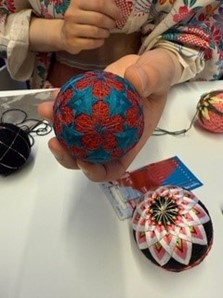
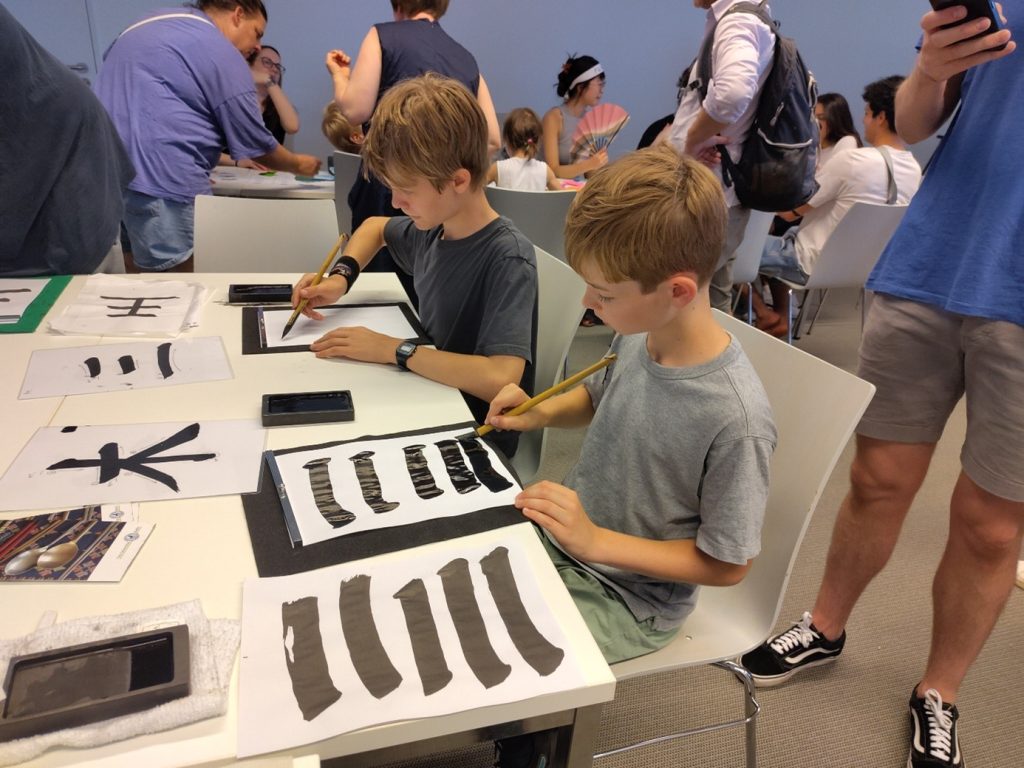
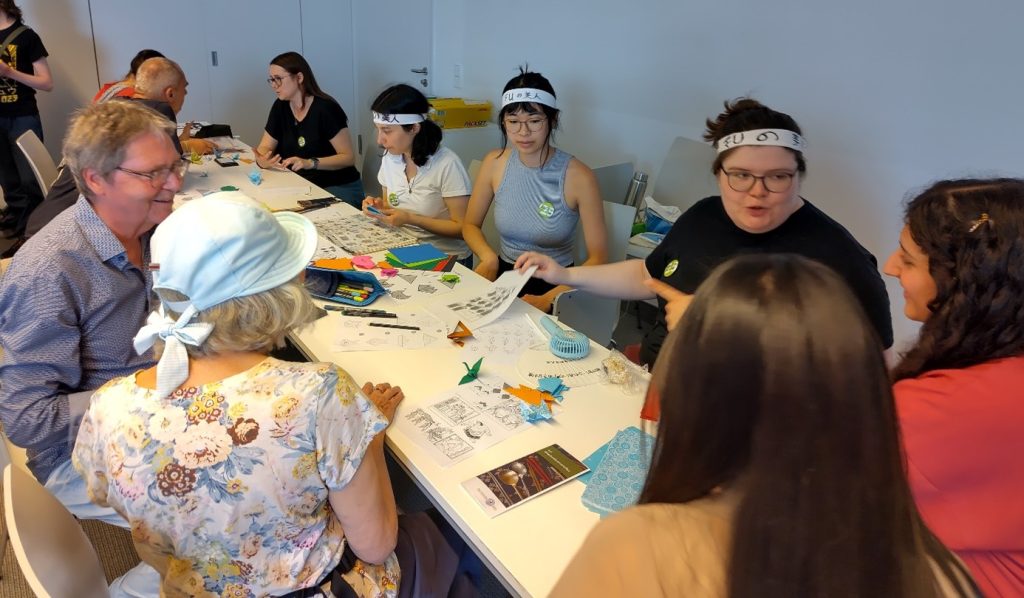
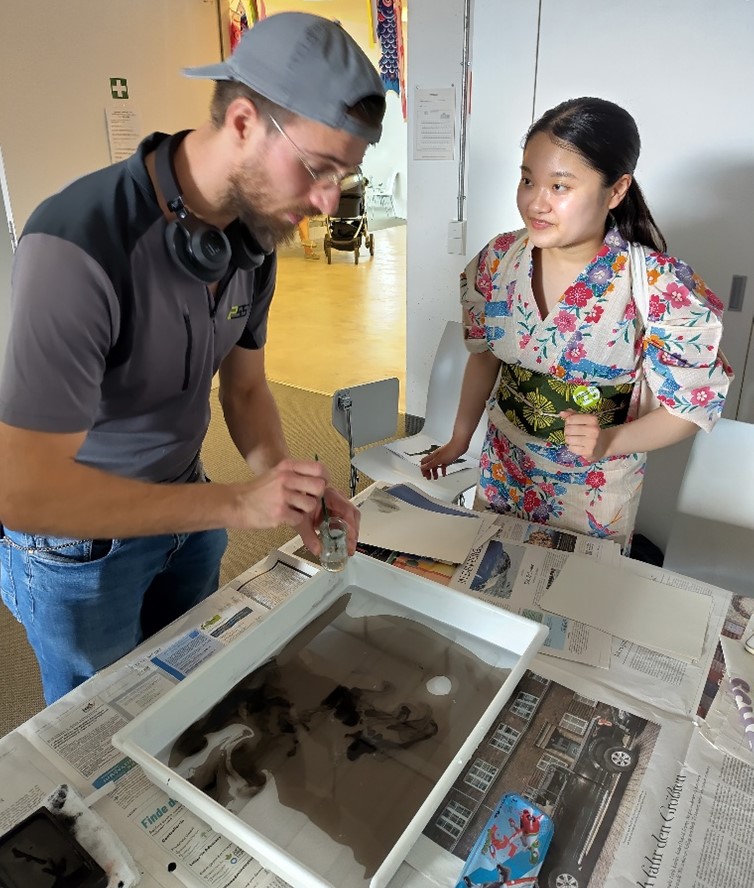
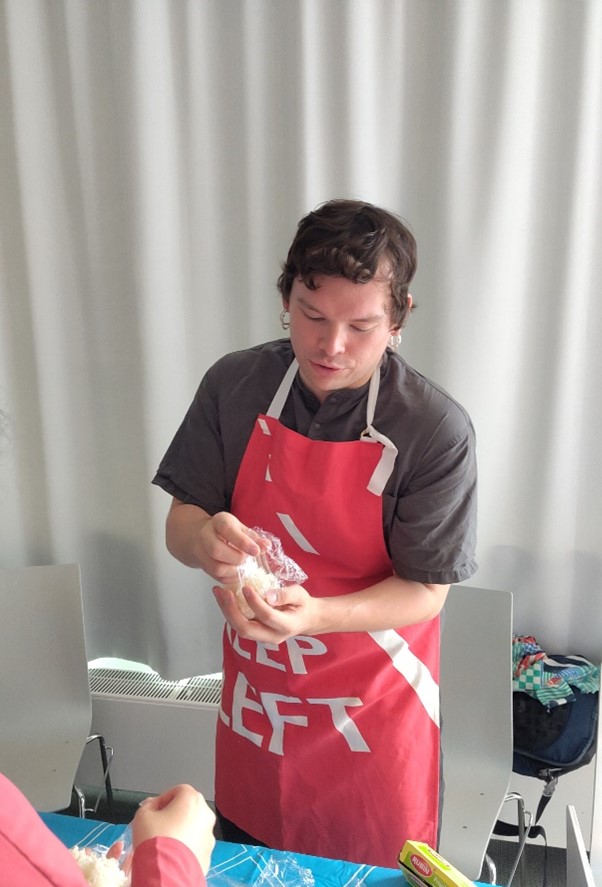
In the main activity room, six hands-on stations invited guests to immerse themselves in various aspects of Japanese culture. Participants could make their own onigiri, try out traditional calligraphy and suminagashi (Japanese marbling), fold intricate origami, create colorful temari balls, or challenge friends in the popular „edamame chopstick challenge.“ Another station offered opportunities to learn basic Japanese vocabulary or engage in conversations about Japan. The stalls were continuously bustling with eager visitors—so much so that even after many other exhibits had closed, guests continued to arrive late into the evening.

In the other room we screened the short films created by students from Japanese studies in the research and teaching project “Berlin’s Japanese foodscape“ over the past ten years. Seeing the films on the big screen was quite impressive.


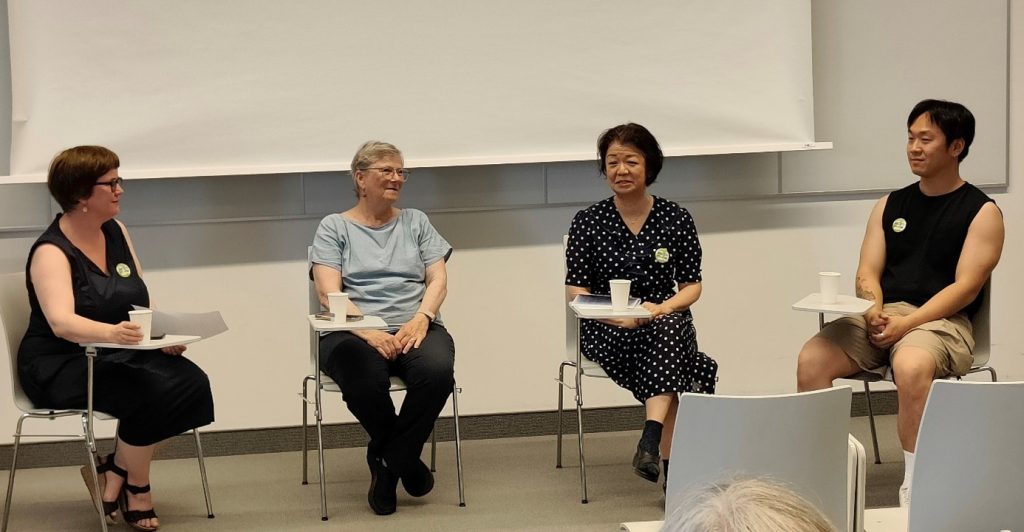
We also hosted a panel discussion on the Japanese foodscape in Berlin with student filmmaker Richard Han, food writer and educator Debra Samuels, and JETRO representative and Japanese restaurant guide author Yumiko Sato to discuss how the Japanese foodscape in Berlin has changed over time. Following the panel discussion, two of our students gave short presentations on their own research. Cosmo Hümmer spoke about sports clubs in Japan and Jakob Hausburg introduced Kabuki to the audience.
Judging by the steady flow of visitors and enthusiastic feedback, the Japanese Studies event was very popular. Yet the success of the event wasn’t only due to public interest—it was also thanks to the dedication, creativity, and teamwork of our student volunteers. Despite the long and hot day, they gave their all, bringing energy and warmth to every part of the program.


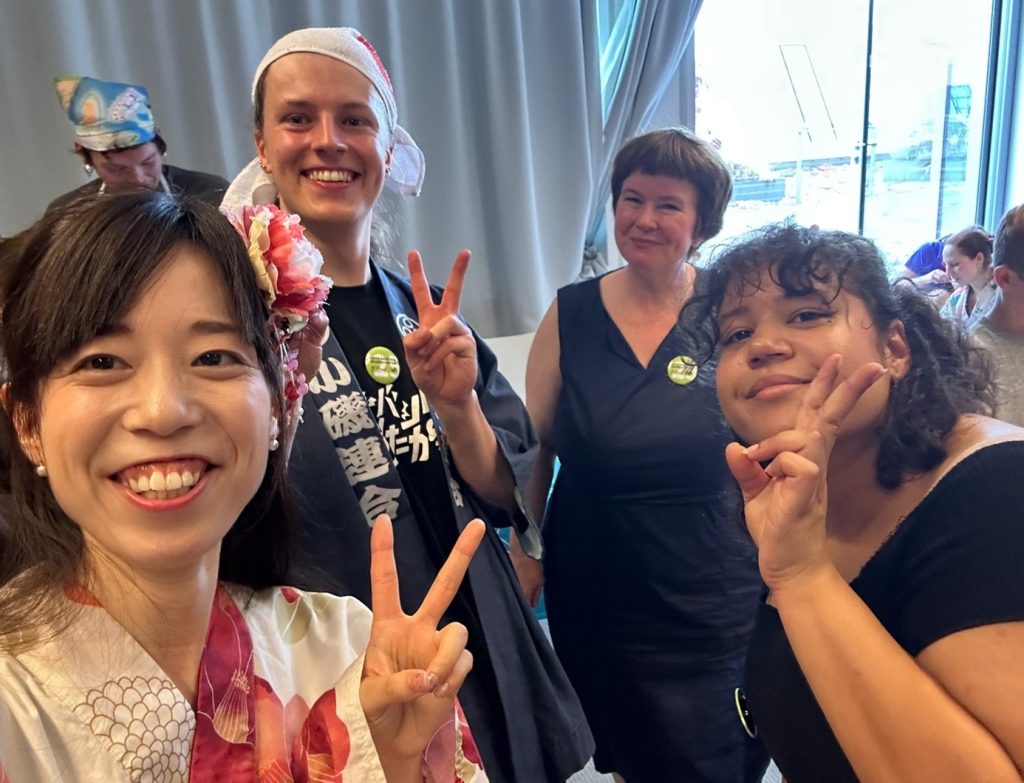
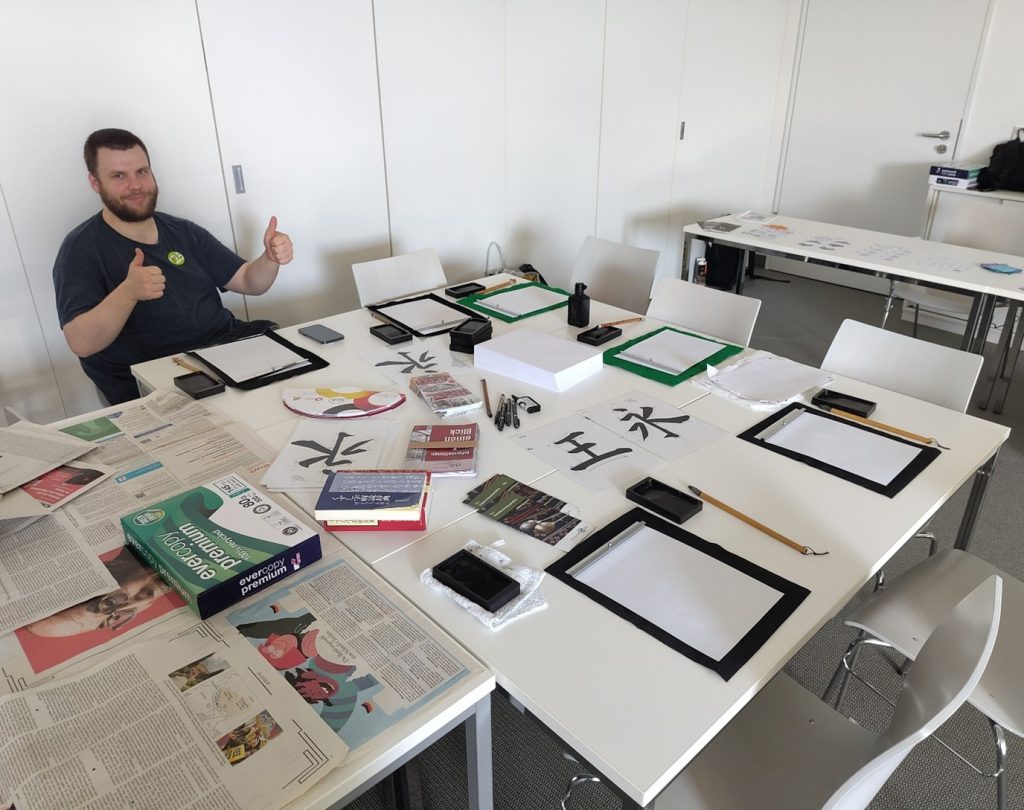
A heartfelt thank you to everyone who contributed to the planning, execution, and cleanup of this memorable evening. It was truly a shared endeavor in every sense.