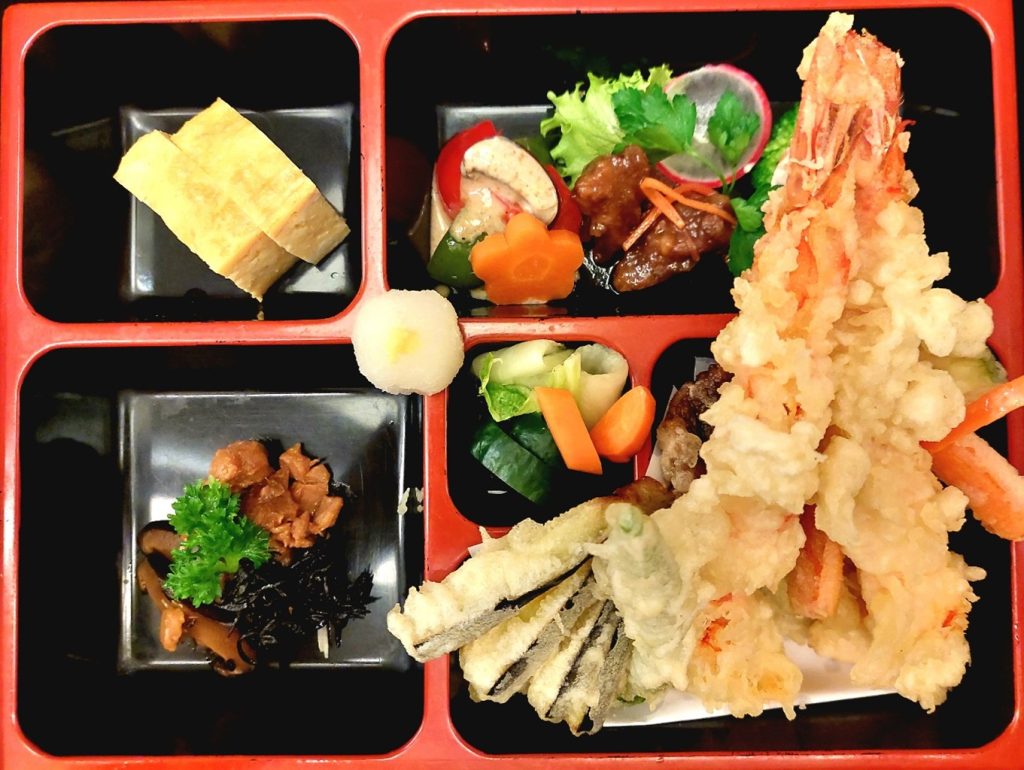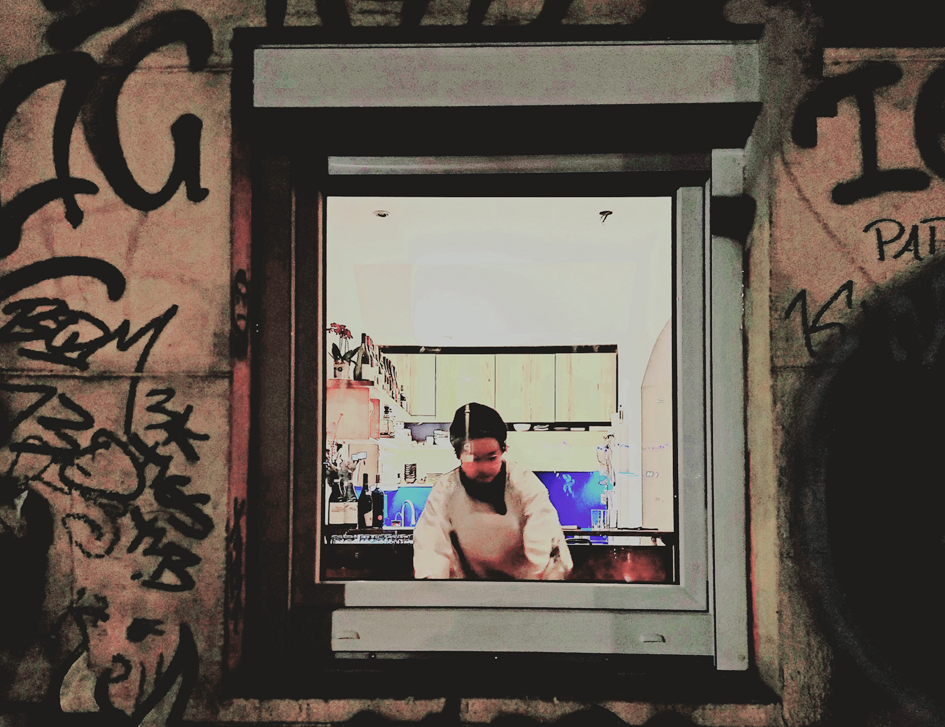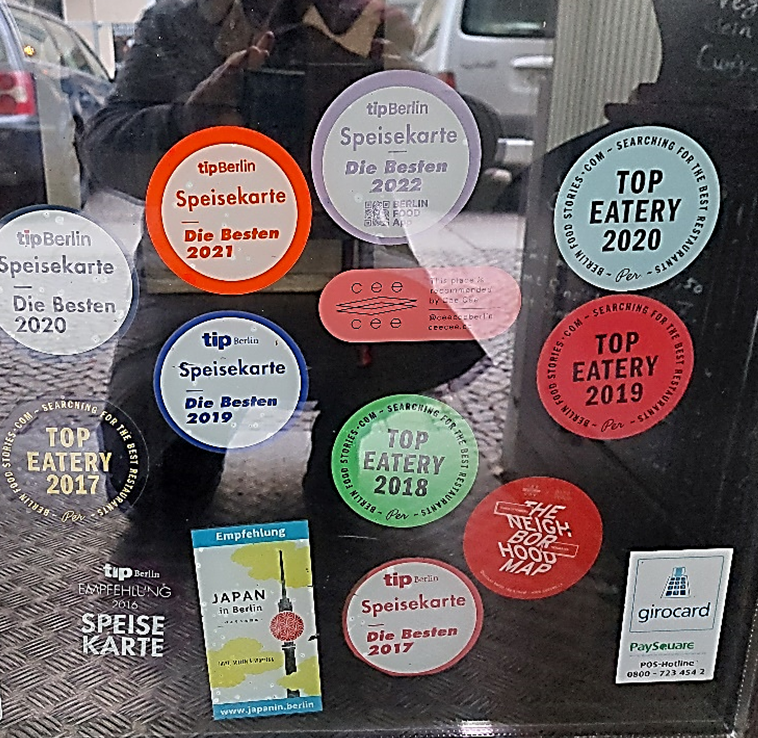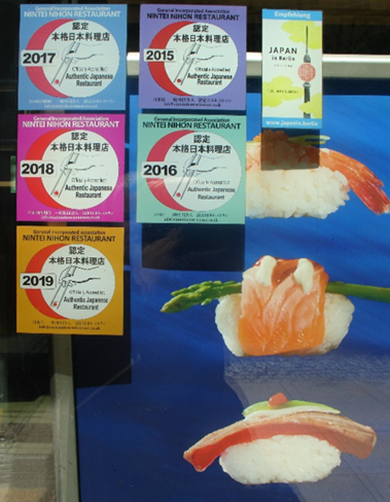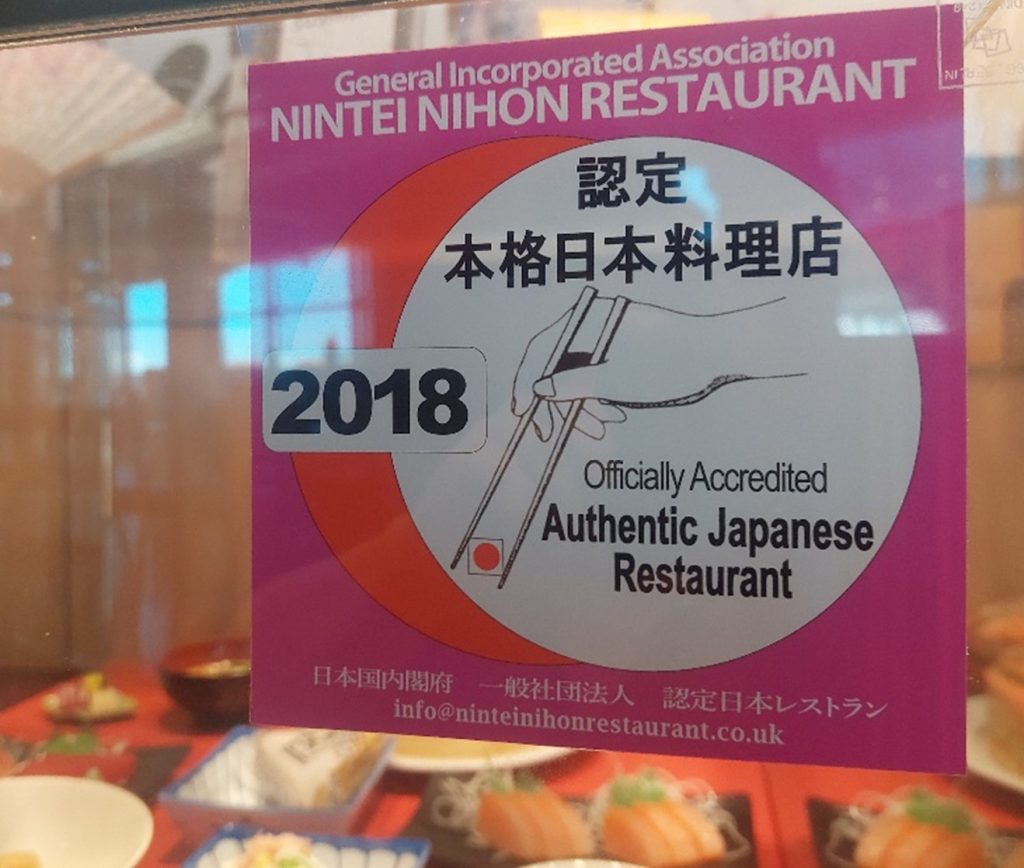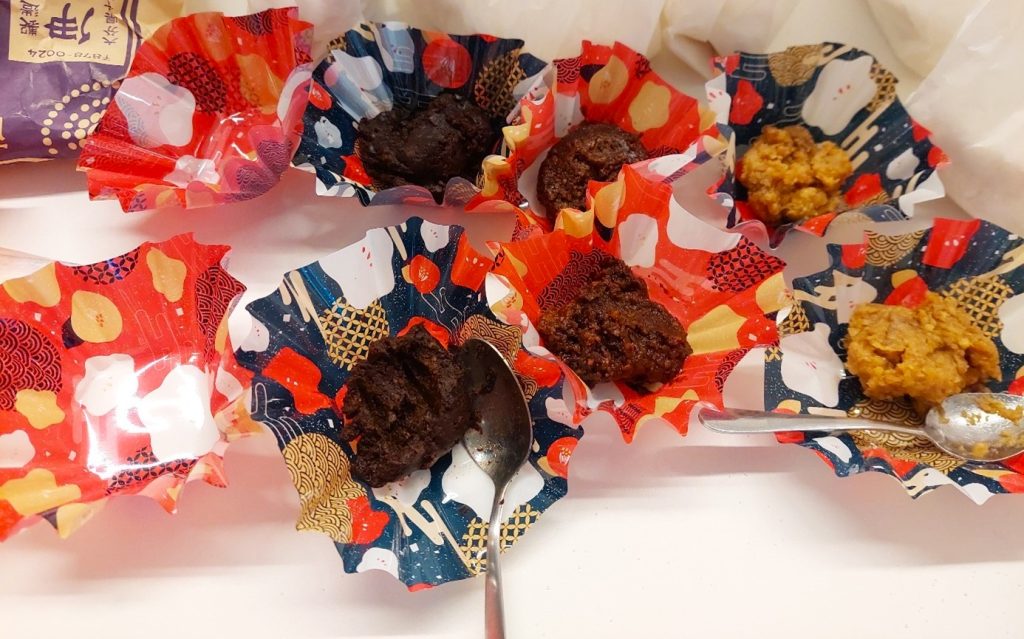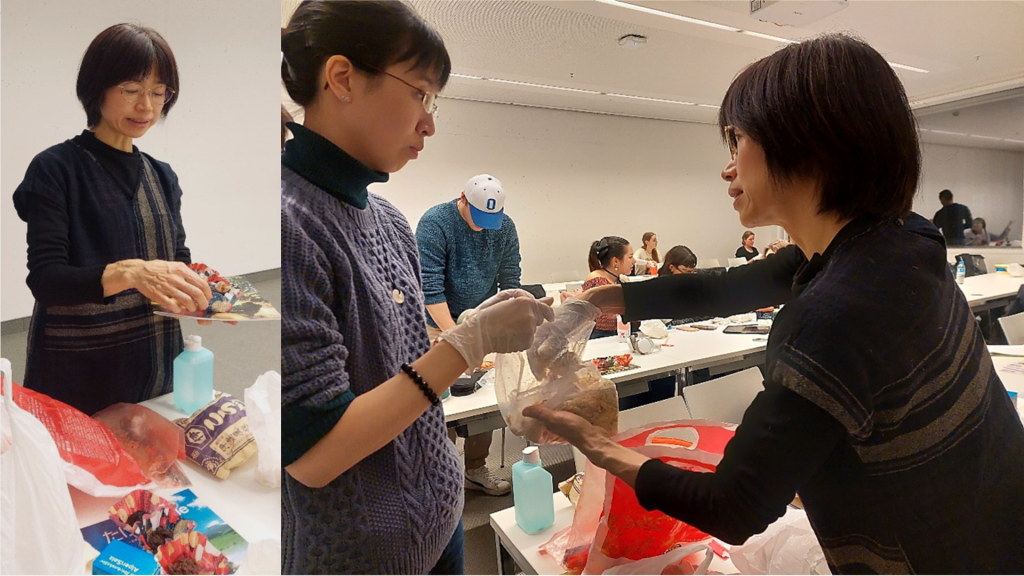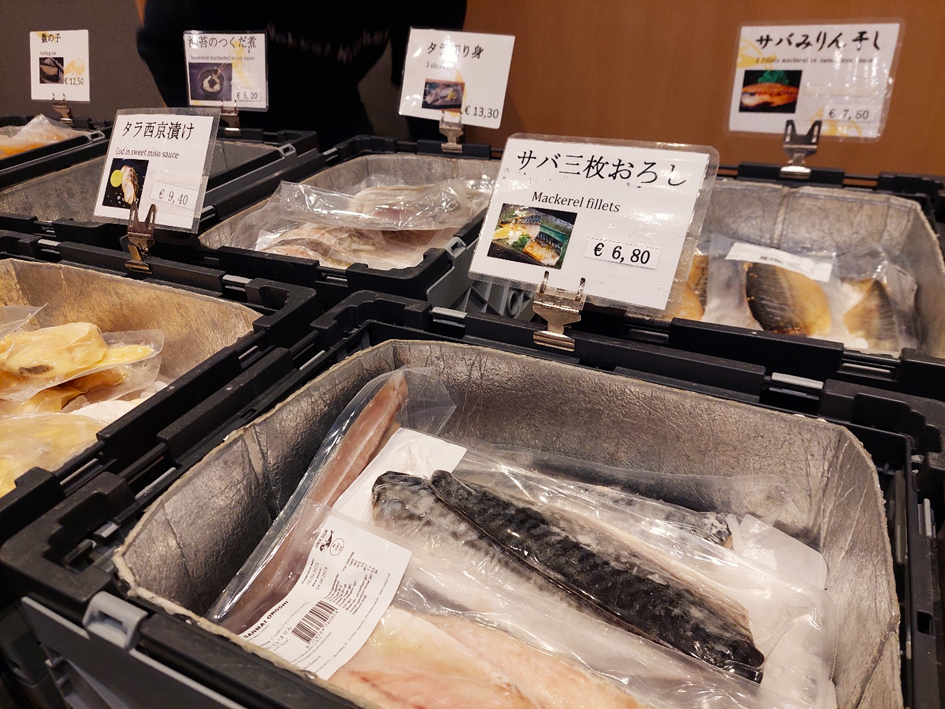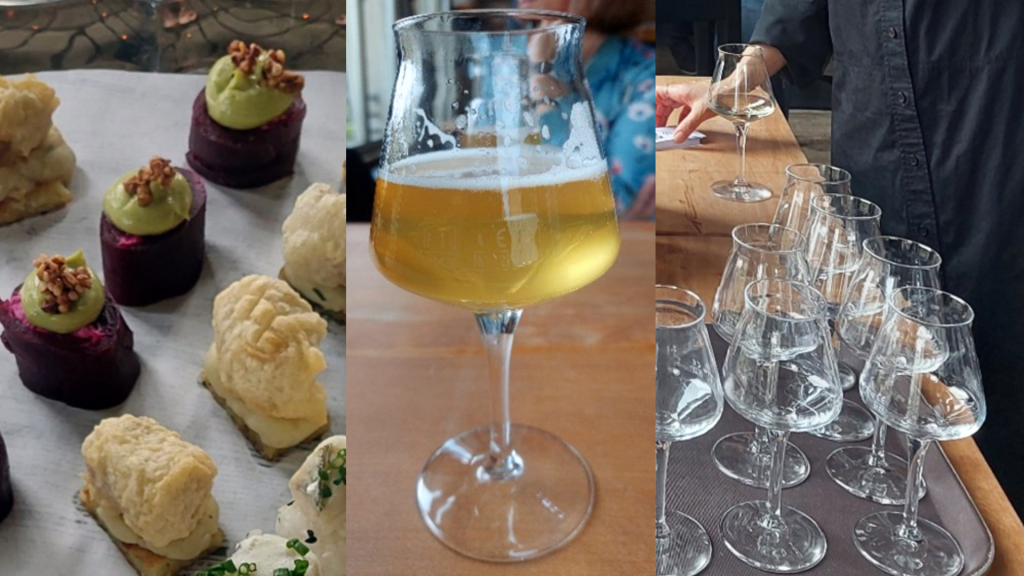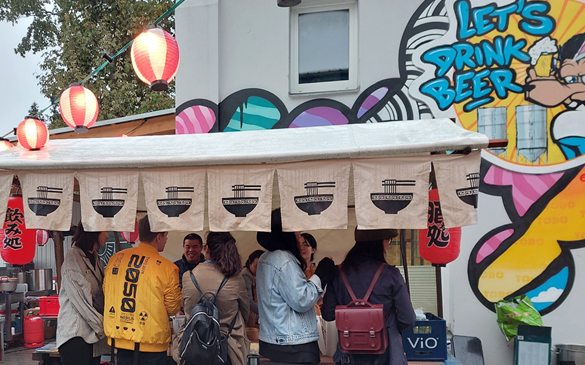
Spring has arrived in Berlin, the cherry trees are in bloom, and the summer term has just begun. This means that it is time for the next season of the methods course, „Berlin’s East Asian Foodscape,“ formerly known as „Berlin’s Japanese Foodscape.“ As always, I will teach social science research methods to students in the Master’s Programs in Japanese Studies and Global East Asia through hands-on learning. I will continue to do so by studying East Asian cuisine in Berlin, which will enable encounters with people who make, sell, and consume food from East Asia. Together with an international group of students with expertise in various East Asian countries and languages, we will explore new trends, interview participants in Berlin’s East Asian food scene, and attend food-related events to observe the global dynamics of Berlin’s culinary landscape. Since everyone loves to eat and talk about it, students can contribute their expertise, develop their own research projects, and, hopefully, create exciting videos or other formats by the end of the term. Stay tuned to see the results in October! In the meantime, we will share our experiences on this blog from interviews with Seikei University students in Japan, field trips, interviews with food producers, as well as the annual Ethnographic Schnitzeljagd (ethnographic scavenger hunt). I am looking forward to an exciting course with great projects, great encounters and great food!
Cultural eating and cooking habits are an important part of my life. Even though food itself is simply necessary to survive, I personally experience food to impact me beyond a basic need. First of all, cooking and eating is a habitual, or even ritualistic practice that I exercise every day. Usually, depending on in which city or country I am residing in, these meals are rotations of the staple dishes made by ingredients that are available to me. As someone who has only been living in Berlin for a few months, I am still trying to navigate through the Japanese foodscape in this city. Because of my Japanese cultural background, eating Japanese food regularly is quite important to me. Not only do I enjoy going to Japanese restaurants but also cooking Japanese meals myself.
In my hometown Bonn, there is a tightknit but small Japanese community. The Japanese restaurant scene has changed and developed over the years, but consistently stayed small, especially when it comes to culinary businesses owned by Japanese people. There are many more authentic restaurant options in the surrounding areas such as Cologne and Düsseldorf, which obviously have much larger Japanese communities. The proximity to these cities (approximately thirty minutes and one hour by train) might also be an explanation for the lack of authentic Japanese restaurant options in Bonn. Düsseldorf, which has the third largest Japanese community in Europe (Düsseldorf Tourismus GmbH 2025), offers a diversity of Japanese foods, such as rāmen, tonkatsu, sushi, teishoku, soba, mochi and many more. There is also a variety of Asian supermarkets that sell Japanese products and ingredients for cooking.
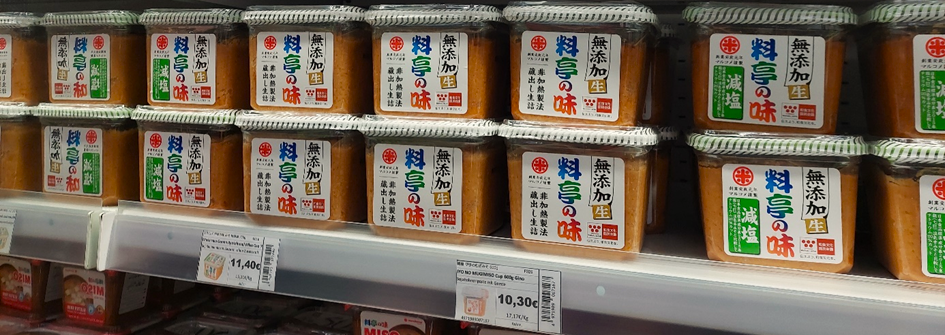
Although the selection in Bonn is not as extensive as in Düsseldorf, there are enough stores to purchase the primary ingredients of Japanese cuisine. The emergence of Asian supermarket chains such as GO Asia and Tains-Pandamarkt has made Japanese food products more accessible. The fundamental ingredients are mostly available there. These include miso, shōyu, mirin, ryōrishu, rice vinegar, dashi, and Japanese rice. Besides these basics, I enjoy being able to purchase other products, such as ponzu, rāyu, sesame dressing, wasabi, tonkatsu sauce, and even Kewpie mayonnaise, a classic Japanese household staple. You can also purchase all kinds of noodles and instant meals, including soba and udon noodles, instant rāmen and miso soup, and Japanese curry and yakisoba. I also frequently take advantage of the selection in the refrigerated sections of chain stores, which usually offer quality Japanese culinary ingredients, such as enoki mushrooms, silken tofu, konnyaku, and takuan. Other personal favorites from the freezer section include frozen aburaage for soba or udon dishes, frozen gyōza, and premade gyōza dough for making them at home. This variety of Japanese foods allows me to cook many of my favorite meals at home, such as nabe, yasai itame, and miso soup.
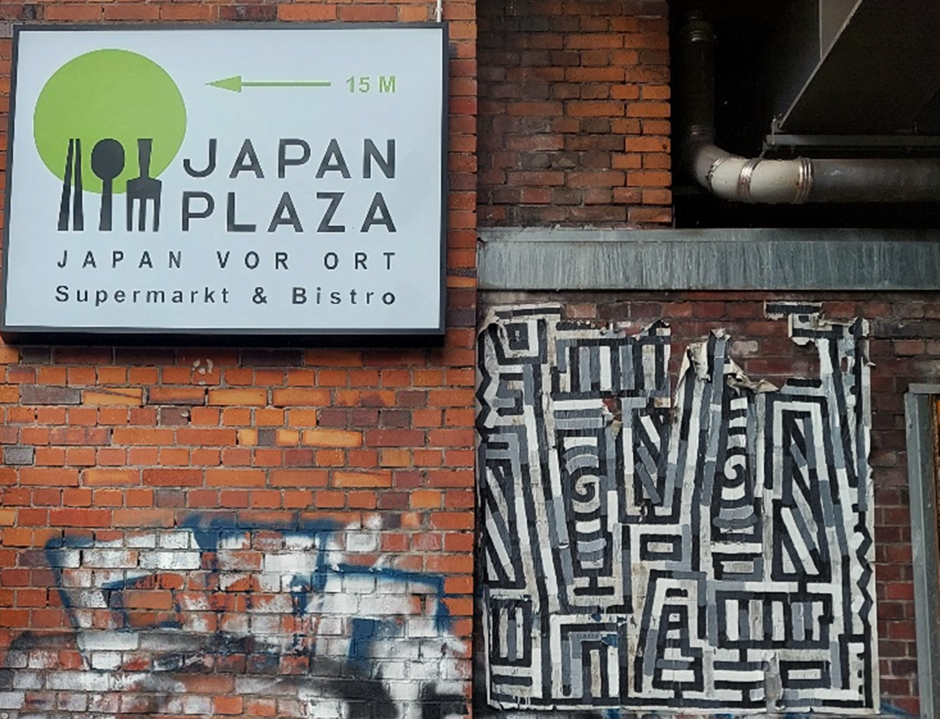
In Berlin, there are multiple Go Asia stores. Because one of them is in my neighborhood, it has been my go-to destination to shop Japanese groceries. Another Japanese store I have visited is Smartdeli Sushi & More in Mitte. It is mainly a restaurant with multiple sushi, sashimi and teishoku options, but they also have a space where they sell Japanese products. The options are limited and in average a little bit more expensive than the products at Go Asia. Nevertheless, it is a good option when shopping exclusively for Japanese groceries. My personal highlight were the Japanese rice options, such as the yumenishiki rice. Furthermore, there is a store called Japan Plaza in Mitte, which is the second location of the Shochiku Supermarket, one of the most popular Japanese stores in Düsseldorf (Japan Food Express GmbH 2025). The Japanese product options in Berlin are therefore similar to Düsseldorf, in the sense that there are a lot of Asian supermarkets with Japanese products and additionally shops that are specialized in Japanese products, compared to Bonn, which lacks the variation of specialized shops. When it comes to Japanese restaurants in Berlin, I still have a lot to explore. Besides the restaurants in Kantstraße, there are several restaurants run by Japanese people spread out in the city.
The comfort of the availability and easy access to these Japanese culinary products improve my quality of life enormously. But this is also true for German food and includes my favorite kind of bread. When I was living in Tokyo for seven months, I did not have access to German-style bread. The bread in Japanese bakeries is much sweeter and softer. The change of product availability forced me to adapt and to cook more Japanese dishes. But after a few months, I, a creature of habit, started missing my old habitual foods. I can still vividly remember the feeling of comfort when I finally ate a piece of sourdough bread and experienced that familiar taste again. The familiar taste had an emotional impact on me.
In summary, since food is cultural and cooking and eating are cultural practice, whenever I lived abroad, these cultural practices gained importance in my life. Through food, I can still feel close to where I come from, even if those habits shift a bit outside that context. I felt this just as strongly in Japan, where I suddenly missed German bread and familiar dishes. The same goes for Japanese cuisine: being able to find Japanese ingredients in Germany lets me keep that part of my everyday life and feel more connected to it. Having access to Japanese foods in Germany allows me to practice the Japanese culinary culture and therefore strengthen my cultural identity. This is the reason why the availability of Japanese foods is so important to me.
References:
Japan Food Express GmbH (2025), Japan Plaza Berlin, https://japanplaza-shop.de/japanplaza
Düsseldorf Tourismus GmbH (2025), Little Tokyo in Düsseldorf – Japanische Kultur erleben, https://www.visitduesseldorf.de/erleben/sehenswertes/little-tokyo-duesseldorf
Maiko Luisa Zisgen is a student assistant at the Institute of Japanese Studies at Freie Universität Berlin and helps with managing and updating this blog.
Although men dominate the Japanese restaurant scene in Berlin, women play a vital role in various capacities across the city’s Japanese foodscape. They are entrepreneurs who run their own restaurants, online stores, food stalls or stores, they cook, help in the kitchen, import food and drinks, serve food, and plan menus and events. Japanese women who work in Japanese eateries in Berlin are students, young women on working holiday visas, freelance artists or the wives of Japanese expatriates or German men. Some have studied German in Japan. Others are interested in art and came to Berlin to study or work. Only a few of the women have previous experience in the food industry. As only a handful of Japanese women actually own the eateries where they work, they more often work in and manage places owned by their German or Japanese partners, work as freelancers, or are employed at restaurants owned by others. Female freelance chefs also offer cooking workshops and catering. (Reiher 2026).
For women involved in Berlin’s culinary field, the reasons for leaving Japan are diverse. Especially women who previously worked in the Japanese food industry wanted to escape their male-dominated workplaces (cf. Reiher 2022, 108). Some relocated to Berlin, because they were worried about food safety and wanted to leave Japan after the 2011 triple disaster of earthquake, tsunami and nuclear catastrophe (cf. Reiher 2023, 1061). Others, who were trained in Japan’s culinary field, left Japan, because they did not see any job options in the food sector. And especially single women in their thirties and forties left Japan to escape their families’ expectations to get married.
Japanese women in Berlin’s Japanese foodscape face many difficulties in their everyday work. They often have precarious jobs, sometimes several jobs at the same time. This economic insecurity is often accompanied by social insecurity. At the same time, this lifestyle also offers them a certain degree of freedom they were missing in Japan. However, their degree of agency and freedom to shape Berlin’s Japanese foodscape as well as their own lives and careers varies depending on their position, experience and skills. At the same time, the position of all female Japanese food producers in Berlin is characterized by a double marginalization as both women and migrants. (Reiher 2026).
All women I have talked to agreed that working in the catering business is easier as a woman in Germany than in Japan. In Berlin, many intentionally or accidentally ended up in women-only workplaces or created them because they felt more comfortable working with women. Negotiating gender roles also means finding a balance between working in a restaurant and family life. Social support from family and friends is important in achieving this balance. However, the co-ethnic networks of Japanese migrants in Berlin are not as well developed as those of other migrant groups. Therefore, Japanese migrant women cannot rely on the help of co-ethnic networks to the same extent as other migrant entrepreneurs in Berlin. Not only is the number of Japanese migrants in Berlin comparatively small, but there are also different groups of Japanese migrants who are not connected to each other, especially because many left Japan to distance themselves from Japan and other Japanese people (cf. Reiher 2022, 108).
This double marginalization as both women and migrants also explains why so few women are in charge of the Japanese eateries where they work. In order to overcome the significant legal, administrative and linguistic hurdles migrant restaurateurs face, many Japanese women rely on local men. They manage financial matters and paperwork due to the women’s limited language skills and unfamiliarity with the networks and resources needed in a new city. Additionally, the insecurity surrounding the duration of Japanese women’s stay in Berlin makes them more hesitant to establish their own businesses. Some Japanese female chefs, however, prefer not to open their own restaurants, valuing the freedom to travel and the avoidance of the dual burden of managing both a business and family responsibilities.
In summary, Japanese women in Berlin’s Japanese foodscape tend to rent temporary alternative spaces such as pop-up restaurants, stalls at events or markets rather than open their own eatery to try out new concepts and formats of Japanese cuisine due to the associated social and economic risks. Even though a few women stand out and are heavily promoted in the culinary media and are therefore highly visible, this publicity belies the fact that many Japanese women who dream of owning their own restaurant or becoming more independent in other ways work as employees and have to make many compromises in their everyday working lives.
References
Reiher, Cornelia (2026), „Women in Berlin’s Japanese foodscapes: Gender hierarchies, culinary creativity and food entrepreneurship,” in: Kimminich, Eva und Schröer, Marie (Hrsg.), Kulinarische Codierungen: Semiotik des Essens in Alltag, Medien und Gesellschaft, Baden Baden: Ergon, pp. 107–126.
Reiher, Cornelia (2023), “Negotiating authenticity: Berlin’s Japanese food producers and the vegan/vegetarian consumer,” Food, Culture & Society 26, 5: 1056–1071.
Reiher, Cornelia (2022), “Berlin’s Japanese foodscapes during the Covid-19 crisis: Restaurateurs’ experiences and practices during the spring 2020 restaurant shutdown,” Berliner Blätter 86: 105−122.
In their video, Lidia Salvador and Lena Danz show how the practice of „eating alone“ in restaurants has traveled from Japan to Germany and how it materializes in a Ramen restaurant in Berlin. Please watch the video here:
ACHTUNG: Daten nach YouTube werden erst beim Abspielen des Videos übertragen.
Lena Danz is a a student in the Master program Global East Asia at Freie Universität Berlin. Lidia Salvador is a student in the Master program Japanese Studies at Freie Universität Berlin.
Cornelia Reiher published a book chapter based on data from this project on Berlin’s Japanese foodscape. It focuses on female Japanese food entrepreneurs and chefs.
Reiher, Cornelia (2026), „Women in Berlin’s Japanese foodscapes: Gender hierarchies, culinary creativity and food entrepreneurship,” in: Kimminich, Eva und Schröer, Marie (Hrsg.), Kulinarische Codierungen: Semiotik des Essens in Alltag, Medien und Gesellschaft, Baden Baden: Ergon, S. 107–126.
In their illustrated report on Chinese restaurants in Berlin, Mariia Safonova, Julia Mąkosa,Julia Marchlik and Mohammad Ali Mojtahedi present their findings on regional diversity of Chinese cuisine in Berlin’s Chinese foodscape. Please read the report here:
Julia Mąkosa, Julia Marchlik, Mariia Safonova and Mohammad Ali Mojtahedi are students in the Master program Global East Asia at Freie Universität Berlin.
Please check out this report on Isabell Frank’s and Nils Ohnesorge’s project about Japanese perspectives and lived culinary experiences in Berlin. Based on a qualitative survey of 20 Japanese people living in Berlin, they discuss Japanese stereotypes about German food and how these have changed during their stay in Germany.
Nils Ohnesorge is a student in the Master program Global East Asia at Freie Universität Berlin. Isabell Frank is a student in the Master program Japanese Studies at Freie Universität Berlin.
In their video, filmed in Korea and Germany, Lisa and Sarah compare experiences in convenience stores and Spätis in Seoul and Berlin. Please watch the video here:
ACHTUNG: Daten nach YouTube werden erst beim Abspielen des Videos übertragen.
Lisa and Sarah are students in the MA program Global East Asia at Freie Universität Berlin.
Please watch the newest video created by our students Nai Harano Grey, Wai Yi Lam, Christoph Barann and Athanasios Samaras about the role of food and community for Japanese students in Berlin.
ACHTUNG: Daten nach YouTube werden erst beim Abspielen des Videos übertragen.
Culinary Impressions of Japanese Eateries: Why Kantstraße is still number one!
As part of an ethnographic exploration, we embarked on a culinary journey through the area surrounding Berlin’s Kantstraße, a street well known for its high concentration of Asian restaurants. Our aim was to observe how Japanese eateries in Berlin present Japanese food culture and to understand how these places attract visitors.
Our route began at KAME Japanese Bites on Leibnizstraße. This small café offered a calm and modest atmosphere and featured a counter filled with typical Japanese dishes such as onigiri, karaage, Japanese cakes, and melonpan. These treats could be enjoyed at small tables on site or taken away. Communication initially took place in Japanese but quickly shifted to English once it became clear that our group was not fluent in Japanese. The combination of language, presentation, and the exclusively Japanese staff gave the small, charming shop a sense of authenticity. Tucked away on a quieter side street, the café also invited guests to sit outside and observe the passersby.
At Heno Heno, we experienced a different form of closeness. The small restaurant resembled a Japanese-style cafeteria, offering simple dishes such as gyudon, soba, and inari sushi. What stood out was how some meals had been subtly altered, for instance soba with spinach or clearly labeled vegetarian options. These adaptations reflected how Japanese cuisine has merged with Berlin’s food preferences, a process that the owners appear to have embraced in adjusting their menu to local needs.
A particularly noticeable example of the connection between gastronomy and migrant communities could be seen at Fuwa Fuwa. The interior was filled with Japanese elements, including lo-fi music, posters of Japanese landscapes, and staff speaking Japanese. Especially striking was a flyer for a Japanese massage therapist displayed on the counter, a small but meaningful sign of the close bonds within the Japanese community in Berlin. Customers are encouraged to place orders through a website using a QR code and to pay digitally. Although an English version of the menu exists, many instructions are displayed in German. The intended audience seems to be younger and tech savvy.
Separately from the group, I also visited Kuchi, a restaurant with a unique background. Founded in 1999 by the renowned restaurateur The Duc Ngo, it combines the traditional izakaya concept with a modern and urban aesthetic. The dark wood interior, the open bar, and the elegant design create an atmosphere clearly inspired by Japanese visual language, without appearing cliché but rather radiating genuine authenticity. The menu is diverse, going beyond classic dishes to include creative reinterpretations. What I found particularly fascinating was how flavor, quality, and a creative approach to tradition come together here. Kuchi offers takeaway and delivery options, another example of how flexibly Japanese cuisine is represented in Berlin.
Overall, our route showed just how diverse Japanese gastronomy in Berlin is and how these spaces can contribute to building social connections. Japanese restaurants are often busy, not only with tourists but also with locals. For many Japanese students who may have chosen Berlin precisely because of its cultural diversity, these eateries can be not only places of authentic enjoyment, but also spaces where familiar culture can be revisited. At the same time, they demonstrate how cultural boundaries can soften through shared meals, without completely erasing the original identity, even if not all of these places are run by Japanese owners or staff. It is precisely this unique combination of authentic taste, cultural familiarity, and everyday integration that makes Kantstraße number one when it comes to experiencing Japanese food culture in Berlin.
Athanasios Samaras is a student in the BA program Japanese Studies at Freie Universität Berlin.