by Cornelia Reiher
As rural communities in Japan face socioeconomic and demographic challenges, Japan’s central and local governments have increasingly turned to culture-based strategies for revitalization, including the recruitment of urban creatives. They offer artists atelier spaces, financial support and opportunities to engage with rural life to promote regional economies and especially tourism. The Japanese government has allocated large sums of money to subsidize art festivals, galleries and artist-in-residence programs throughout rural Japan (Tagore 2024).

Copyright © Cornelia Reiher 2022
In 2004, the UNESCO Creative Cities Network (UCCN) was created to promote cooperation with and among cities that have identified creativity as a strategic factor for sustainable urban development (UNESCO 2025). In response to this UNESCO initiative, Japan’s Cultural Agency created the bunka geijutsu sōzō toshi suishin jigyō (Arts and Culture Creative City Promotion Project) and since 2010 provides subsidies to local governments to “support […] initiatives in which local authorities, civic groups […] and local private companies work together to solve regional problems by harnessing the creativity of culture and the arts in a range of areas such as regional development, tourism and industrial development […]” (Bunkachō 2010). In 2013, the Creative City Network of Japan (CCNJ) was established as a platform to promote cooperation and exchange among creative cities in Japan and in the world. Municipalities could apply for grants and become members of this network.
Copyright © Cornelia Reiher 2022
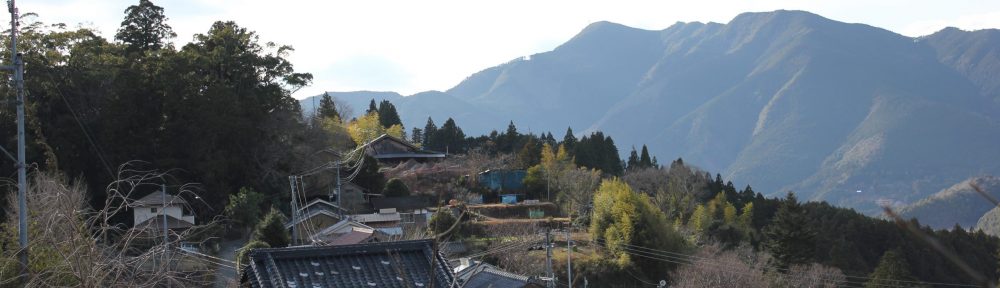
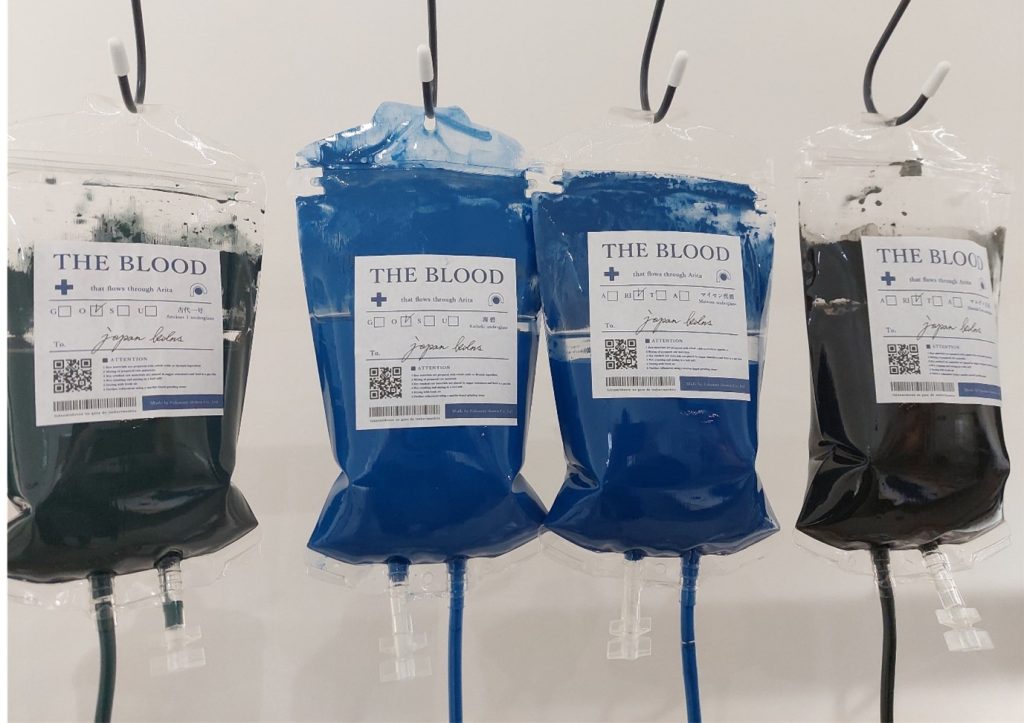
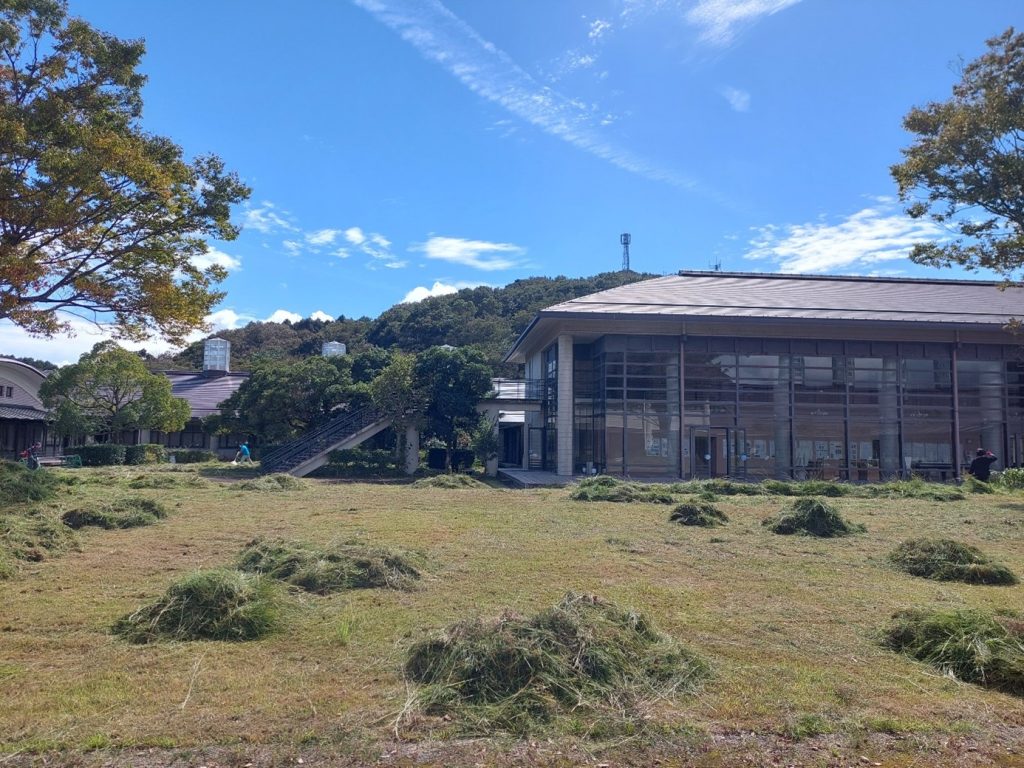
A-Town, a small town in the mountains of Kyushu (population 19,686), made art a pillar of its revitalization strategy and applied for funding from the Cultural Agency and for registration as a member of the Creative City Network of Japan. To retain and attract new talent to his town, the mayor at the time, promoted the town as Creative City and founded an artist-in-residence program and a co-working space to make the city a magnet for urban creatives. For the artist-in-residence program, a vacant school building was renovated with the subsidies from the Cultural Agency and converted into studio space that artists could use free of charge. Due to these measures, A-Town became very attractive for artisans and artists during the past decade.

Copyright © Cornelia Reiher 2022
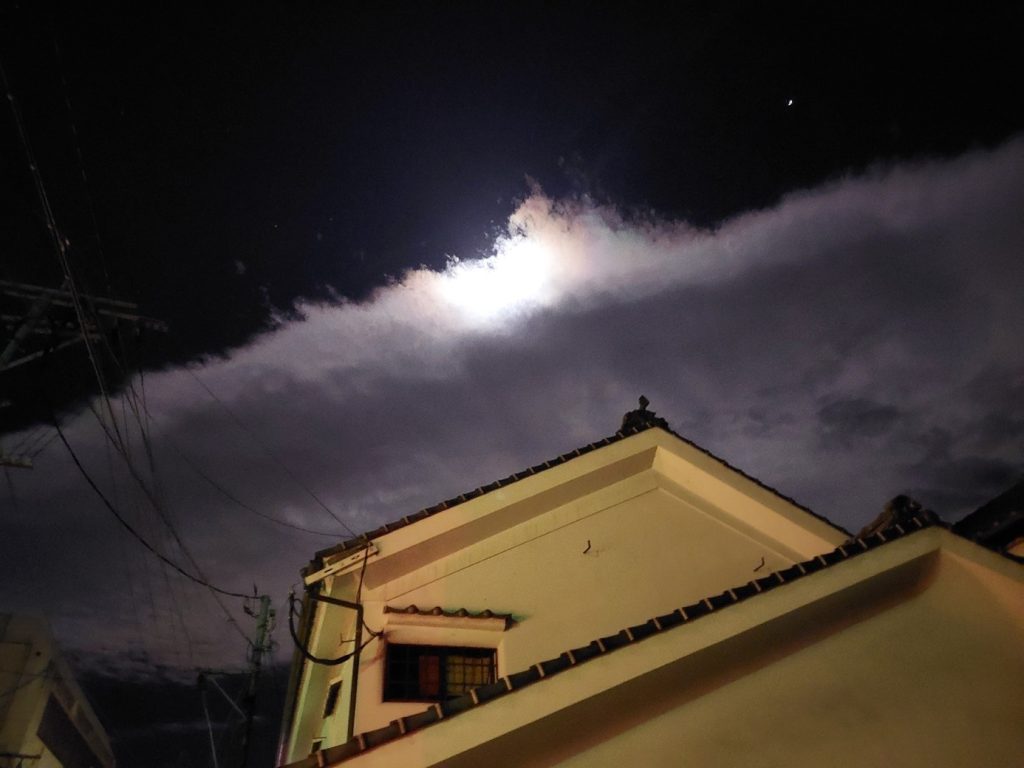
A-Town’s art-based revitalization strategy goes hand in hand with the preservation of architectural heritage and the promotion of urban-rural migration. In order to provide artists and craftspeople with work and living spaces, the mayor offered them abandoned buildings designated as cultural assets, which were renovated with the help of government grants. Thus, revitalization through art and culture also became a means of reusing vacant buildings (akiya) (Platz 2024). To give artists the opportunity to earn a living, the local government strategically used the Chiiki Okoshi Kyōryokutai program (COKT) to pay invited artists a salary for three years (Reiher 2025).
Copyright © Cornelia Reiher 2022
One of the artists who relocated to A-Town is Shigeru. He was employed by COKT as part of A-Town’s artist-in-residence program. Currently, he divides his time between A-Town and Tokyo. Since finishing the program, he has been living and working in a house he found with the help of the former mayor. Shigeru feels a strong connection to the area and loves the nature which increases his well-being, but feels excluded from the local community. He uses local materials, studies the history of A-Town, and draws inspiration from it. Shigeru is involved in the local community in various ways. However, he feels that artists from outside of A-Town are not welcome in the community, because the locals do not understand their way of life. For this reason, Shigeru mostly spends time with other artists who have moved to A-Town. Although he acknowledges the contribution of newcomer artists to the town, particularly that their studios, workshops, and exhibitions attract other artists and tourists, he also points to a divide between the newcomers and the locals. Therefore, he is rather pessimistic about the local government’s Creative City project and his own impact on the revitalization of A-Town.
Copyright © Cornelia Reiher 2022
In the past decades, art projects and artist-in-residence programs were given greater consideration by local and central governments in their fight against depopulation and aging in rural Japan. The support programs prepared the ground for the subsequent influx of newcomers to these rural areas, attracting younger and more diverse people. Nevertheless, the relationship with the local community is crucial to the success of these initiatives, but residents are not necessarily open to newcomer artists. Local governments and other stakeholders initiating arts-based revitalization should enhance their efforts to explain these initiatives and to involve residents in decision-making processes, art projects and the benefits of the arts. Without community support, art-based revitalization projects may not be very sustainable, benefit only a few stakeholders, and even cause inconvenience to locals due to large numbers of tourists.
References:
Bunkachō (2010), Bunka geijutsu sōzō toshi suishin jigyō https://www.bunka.go.jp/seisaku/bunka_gyosei/chiho/creative_city/suishinjigyo/
Platz, Annemone (2024), “From social issue to art site and beyond – reassessing rural akiya kominka”, Contemporary Japan 36, 1, pp. 41-56.
Reiher, Cornelia (2025), “(In)visible newcomers: Foreign workers and internal urban-rural migrants in Japan’s countryside,” Journal of Rural Studies 114, https://doi.org/10.1016/j.jrurstud.2025.103561
Tagore, Eimi (2024), Art festivals in Japan: Fueling revitalization, tourism, and self-censorship, Contemporary Japan 36, 1, pp. 7-19
UNESCO (2025), Creative Cities Network, https://www.unesco.org/en/creative-cities